
Leadership Offsite Facilitation: How to Plan a Retreat That Actually Works
Your executive team's biggest problem isn't strategy. It's that you've never aligned on it in the same room.
A leadership offsite done well is the single highest-ROI investment your executive team will make all year. Done poorly, it's an expensive trip where everyone agrees on vague goals and returns to the same dysfunction on Monday.
The difference isn't the venue or the budget. It's the structure. In "Off-Sites That Work" (Harvard Business Review, 2006), Bob Frisch and Logan Chandler make the case that most offsites fail for a predictable reason: they're run as open-ended discussions instead of structured decision sessions. The teams that get value design the offsite backward from the decisions it has to produce. And the stakes are real: McKinsey research finds that leadership teams aligned on strategy and direction are roughly 70% more likely to outperform their peers on revenue growth. This guide covers how to plan a leadership offsite that produces real outcomes, when to bring in outside help, and what the best agendas actually look like.
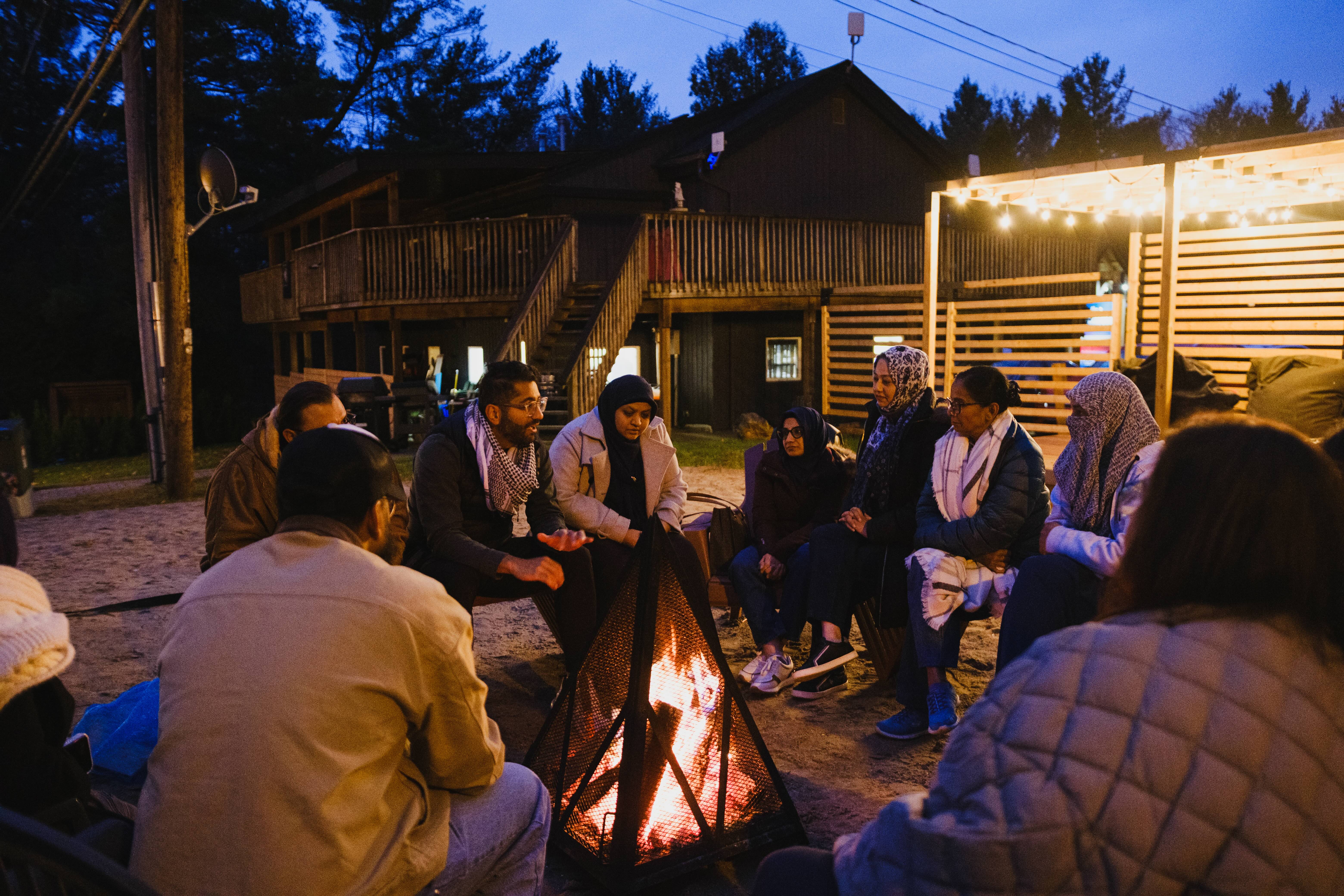
At a Glance:
- What it is: A structured offsite session for your leadership team, focused on strategic alignment, decision-making, and operating cadence.
- Who it's for: Series A to C leadership teams (5 to 15 people) who need to align on strategy, resolve tension, or set the operating rhythm for the next quarter or year. Most valuable once a company is scaling and the founding team can no longer align in a hallway conversation.
- Typical length: 1 to 2 days.
- Facilitated vs DIY: Teams that use an external facilitator report higher satisfaction and follow-through. Internal facilitation works for routine quarterly reviews but rarely for strategic pivots or conflict-heavy sessions.
- What it costs you: The real cost of an offsite isn't the facilitator fee. It's the calendar. You're pulling your entire leadership team out of the business for one to two days. The question isn't "can we afford facilitation," it's "can we afford to burn that time on a session that produces nothing." Scope pricing to whether the session includes pre-work (interviews, assessments) and follow-up support, not just the days in the room.
What Makes a Leadership Offsite Worth the Investment?
Most offsites fail because they're designed as presentations, not working sessions. Your CEO shows slides. Everyone nods. Your team flies home. Nothing changes.
The offsites that work share three things:
Clear decision outcomes. Before the session starts, your team knows which decisions need to be made. Not "discuss strategy." Instead: "Decide our top three priorities for Q1 and assign owners."
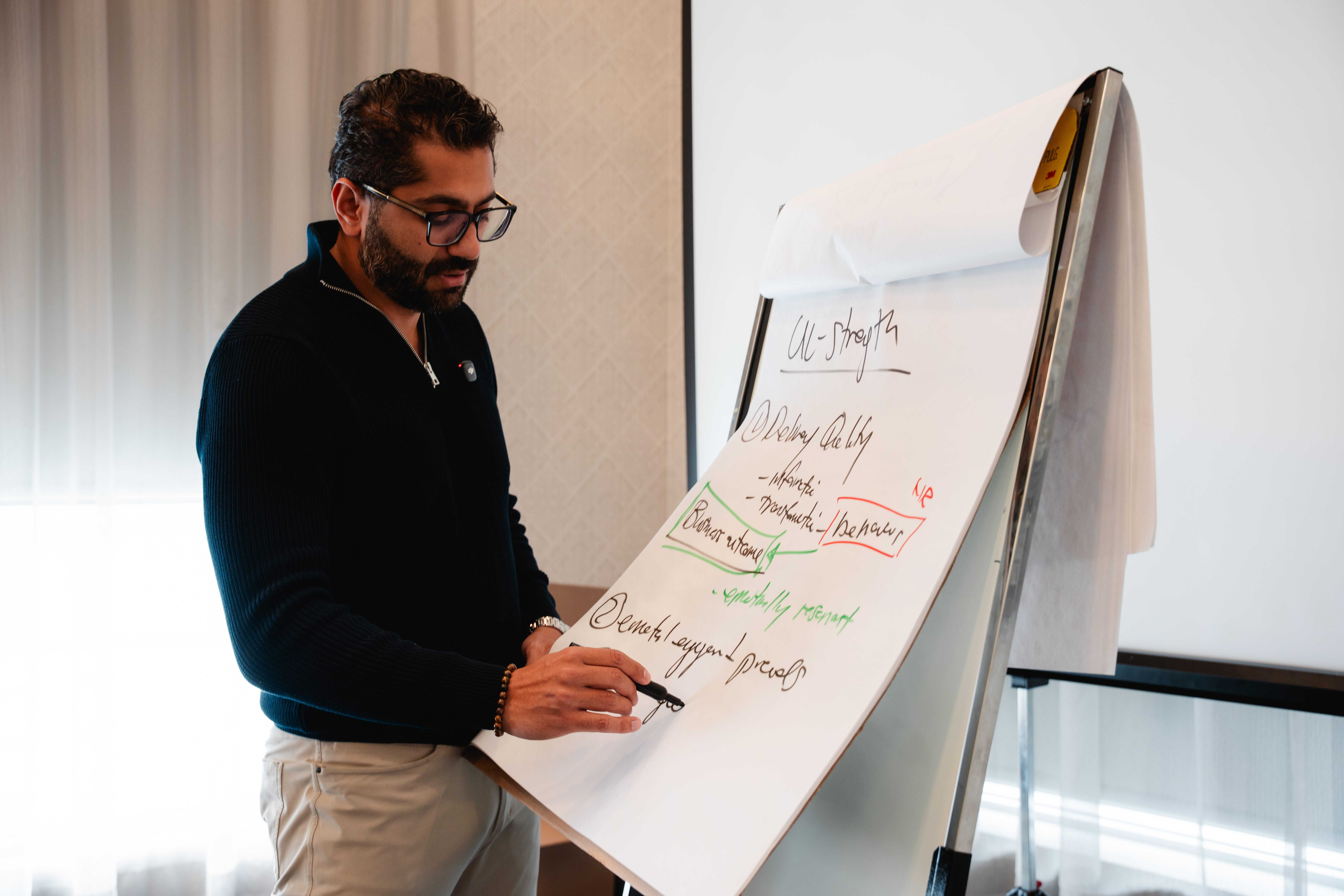
Structured tension. The best offsites surface the disagreements your team has been avoiding in Slack threads and hallway conversations. A skilled outside facilitator creates the conditions for this to happen productively. This matters more than it sounds: Gallup finds that managers drive 70% of the variance in team engagement, and engaged teams are 21% more profitable than disengaged ones. Your offsite is where that engagement either gets built or gets quietly eroded.
Accountability architecture. The last two hours aren't "wrap up and celebrate." They're about building your 30-day follow-up plan: who owns what, what the check-in rhythm looks like, and when you review progress.
Go Deeper: The Perfect 2-Day Strategy Offsite Agenda for Series B Startups — A full agenda with session timings, facilitator notes, and follow-up templates.
When to Hire an External Facilitator (and When to Run It Yourself)
The core question: can you or your COO be both a participant and a neutral process manager? For low-stakes sessions, yes. For anything involving real tension, competing priorities, or decisions that affect the whole company, no. An external facilitator holds your room accountable, manages time, and creates space for the conversations your team has been avoiding.
Go Deeper: Executive Offsite: How to Run One That Actually Changes Something — What separates productive executive offsites from expensive vacations.
What a Facilitated Offsite Agenda Actually Looks Like
Here's the general structure for a 2-day leadership offsite:
Go Deeper: The Annual Planning Meeting Agenda That Turns Strategy Into Execution — The annual planning version of this framework, with templates for goal-setting and priority alignment.
Choosing the Right Venue
The venue matters more than you think. A boardroom in your own office kills the "different context, different thinking" effect. A resort with too many distractions kills focus.
What works for your tech leadership offsite:
- Dedicated meeting space with natural light and whiteboard walls
- Far enough from your office that nobody "pops in for a meeting"
- Close enough that travel doesn't eat a full day
- Good wifi (your CTO will check)
- Separate space for breaks and informal conversation
Go Deeper: The 21 Best Corporate Retreat Venues Near Ottawa and Toronto — Curated venues rated for leadership offsites, not team-building activities.
The Quarterly Rhythm: Making Offsites Stick
A single offsite, no matter how well you run it, fades without a follow-up system. The best teams treat their offsite as the kickoff for a quarterly rhythm:
- Monthly business reviews (MBRs): 90-minute check-ins on your offsite priorities
- Quarterly business reviews (QBRs): Half-day sessions where you adjust course
- Annual offsite: Full 2-day strategic planning reset
This rhythm keeps your offsite decisions alive. Without it, you'll be back at your next offsite having the same conversations you had last time.
Go Deeper: How to Run a QBR Meeting Agenda That Actually Ends With Decisions — The quarterly format that keeps offsite commitments on track.
Go Deeper: The Monthly Business Review Agenda That Actually Closes the Loop — The monthly check-in that keeps priorities moving between quarters.
Frequently Asked Questions
From the Blog
- The Perfect 2-Day Strategy Offsite Agenda for Series B Startups — The full agenda with session timings, facilitator notes, and follow-up templates.
- Executive Offsite: How to Run One That Actually Changes Something — What separates productive offsites from expensive vacations.
- The Strategic Planning Process for Scaling Startups — How to connect offsite decisions to your day-to-day operating cadence.


